


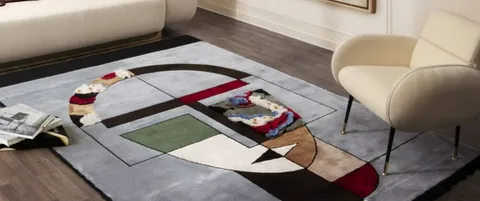
You walk into a showroom, see a stunning cream-colored silk rug, and immediately picture it in your home. It looks perfect. But then reality sets in. You have a Golden Retriever with muddy paws, a toddler who loves grape juice, and friends who spill red wine. That beautiful silk rug won’t last a week.
Many homeowners make the mistake of buying rugs based solely on how they look. While aesthetics matter, your lifestyle dictates how long that rug will actually look good. A rug is the foundation of your space. It anchors your furniture, protects your floors, and adds warmth. But it also takes the most abuse of any item in the room.
Choosing the right rug requires a balance between design and durability. You need a piece that handles your daily life without falling apart. This guide breaks down exactly how to match your Living Room Rugs to your specific needs, ensuring you make an investment that lasts.
Assess Your Daily Routine
Before you look at colors or patterns, look at your life. The traffic level in your living room determines the material and construction you need.
If you live alone or have a “shoes-off” policy, you have more freedom. You can opt for delicate textures or lighter colors. However, if your living room is Grand Central Station for kids, pets, and guests, you need armor for your floor.
Consider these three factors:
- The Mess Factor: Do you eat in the living room? Do kids do arts and crafts there? If yes, you need stain resistance.
- The Traffic Factor: Is this the main walkway to the kitchen or backyard? High-traffic areas wear down cheap materials quickly.
- The Comfort Factor: Do you sit on the floor to watch movies? If so, pile height and softness matter more than if you only sit on the sofa.
Material Matters: The Fabric of Your Life
The material is the most critical part of your decision. It determines how the rug feels, how it cleans, and how long it lasts. Here is a breakdown of common materials and who they serve best.
Wool
Wool is the gold standard for a reason. It is naturally stain-resistant, durable, and soft. The fibers contain lanolin, which repels liquid and dirt. Wool springs back when crushed, so furniture marks are less of an issue.
- Best for: High-traffic living rooms, families, and anyone who wants a long-lasting investment.
- Trade-off: It can shed initially and costs more than synthetics.
Silk and Viscose
These materials offer an incredible sheen and softness. They feel luxurious underfoot and add a sophisticated touch to the room.
- Best for: Low-traffic formal living rooms or homes without pets and small children.
- Trade-off: Water damages viscose easily. These are difficult to clean and stain quickly.
Cotton
Cotton rugs are often flat-woven (like dhurries). They are casual, light, and often reversible.
- Best for: Relaxed spaces, budget-conscious buyers, and renters who move often.
- Trade-off: They don’t offer much cushion and wear out faster than wool.
Synthetics (Polypropylene/Nylon)
Man-made fibers have come a long way. They mimic the look of natural fibers but offer industrial-strength durability. They are often waterproof and bleach-cleanable.
- Best for: Messy homes, muddy pets, and indoor-outdoor transition spaces.
- Trade-off: They can feel plastic-like and don’t hold their value over time like handcrafted pieces.
Design Tricks for Messy Lives
If you have a busy household, your design choices can act as camouflage. A solid white or beige rug in a family room is a risk. Instead, use color and pattern to your advantage.
Patterns are your friend. Intricate designs, such as traditional Persian motifs or modern abstracts, hide crumbs, lint, and small stains effectively. The busy nature of the design distracts the eye from imperfections.
Texture hides wear. A flat-weave rug might show traffic paths over time. A rug with a bit of texture or a heathered yarn loop hides dirt and footprints better.
Color dictates maintenance. Darker colors forgive stains but show lint and light pet hair. Medium tones—grays, blues, rusts—often hit the sweet spot. They hide the widest variety of daily messes.
Sizing and Placement Strategies
A rug that is too small makes the room look disjointed and cheap. A rug that fits properly makes the room feel expansive and cohesive.
For most living rooms, follow the “front legs” rule. Place the rug so that at least the front legs of your sofa and armchairs sit on it. This anchors the furniture. If you have a large open plan, go big enough that all furniture legs sit on the rug.
Leave about 12 to 18 inches of bare floor between the rug edge and the wall. This creates a frame and prevents the room from looking like it has wall-to-wall carpeting.
Where to Find Quality Rugs
You have endless options for purchasing rugs, from big-box stores to boutique ateliers. However, if you value longevity and artistry, look to the source. India is a global hub for rug weaving, particularly regions like Bhadohi.
When you choose Handcrafted Rugs in India, you buy into centuries of tradition. These aren’t just floor coverings; they are pieces of art made by skilled artisans. The weaving techniques passed down through generations result in tighter knots and better durability than mass-produced machine-made alternatives. Brands like The Ambiente leverage this deep expertise, working with thousands of weavers to create pieces that blend traditional quality with modern aesthetics.
Buying directly from the source is easier than ever. You can buy rugs online india and access a variety that local stores simply cannot match. Shopping online gives you the convenience of browsing hundreds of styles, from traditional hand-knotted wool to contemporary flat weaves, all from your sofa. Just be sure to check return policies and look for detailed close-up photos of the texture before you buy.
Maintenance: Keep It Looking New
Even the toughest rug needs care. To extend the life of your purchase:
- Vacuum Regularly: Dirt acts like sandpaper at the base of the fibers. Vacuum often, but turn off the beater bar for handmade rugs to prevent pulling the yarns.
- Rotate It: Sunlight and foot traffic cause uneven fading and wear. Spin your rug 180 degrees every six months.
- Blot, Don’t Rub: When a spill happens, panic leads to scrubbing. Scrubbing destroys the fibers. Blot the liquid with a clean white cloth until it lifts.
- Use a Pad: A rug pad prevents slipping, but it also adds a buffer between the rug and the hard floor, reducing wear on the fibers.
Finding the Balance
Your living room is where life happens. The rug you choose should support that life, not limit it. By being honest about your household needs—whether that involves muddy paws or red wine spills—you can narrow down the materials and colors that will work for you.
Invest in quality materials like wool if you need longevity. Lean into patterns if you need camouflage. And consider the craftsmanship of Handcrafted Rugs in India for a piece that brings character to your home. The right choice will handle your daily routine and look great doing it.
