


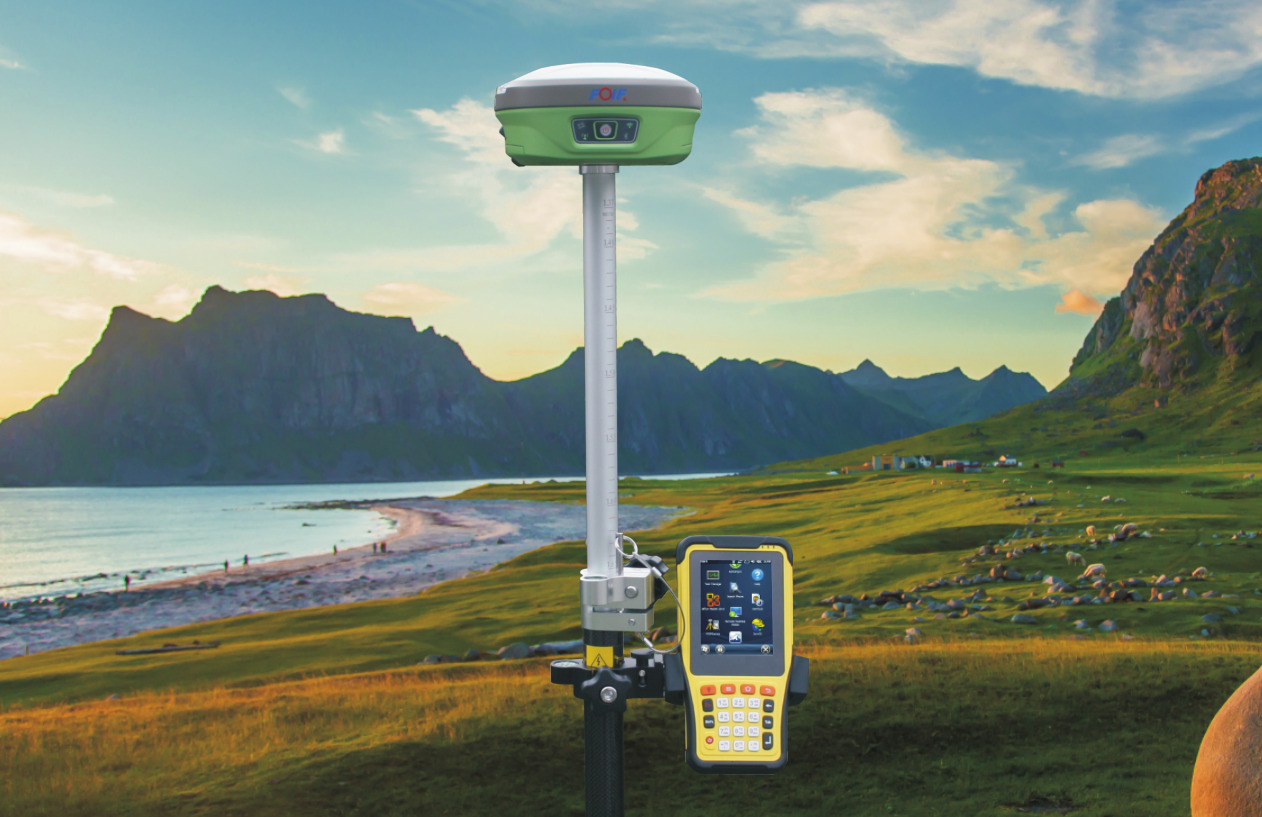
Satellite navigation systems have become integral to modern life. Whether you’re using your phone to find the fastest route to work, navigating through remote areas, or even utilizing location-based services, you are likely relying on a GNSS system. But how do these systems work? In this article, we’ll break down the basics of satellite navigation, what GNSS is, and how it impacts your daily life.
What is GNSS?
GNSS stands for Global Navigation Satellite System, a broad term used to describe a collection of satellite constellations that provide location and time information to users on the ground. The term GNSS encompasses not only the GPS (Global Positioning System) but also other regional systems like GLONASS, Galileo, and BeiDou. These systems work together to give users accurate positioning data, no matter where they are in the world.
The Core Components of GNSS Systems
A GNSS system operates based on three main components: satellites, ground control stations, and receivers.
- Satellites: These are the space-based elements that orbit the Earth. Each GNSS satellite continuously broadcasts signals that carry information about the satellite’s location and the time the signal was transmitted. There are usually dozens of satellites in orbit, ensuring that at least four are visible to any point on the Earth’s surface at any given time.
- Ground Control Stations: These stations monitor the satellites, ensuring they remain properly aligned and operational. They also send correctional data to improve the accuracy of the system.
- Receivers: The devices we use on the ground, such as GPS units, smartphones, or car navigation systems, are the receivers. They receive signals from the satellites and use that data to calculate the user’s position on Earth.
How Does Satellite Navigation Work?
The basic principle behind satellite navigation is trilateration. A GNSS receiver uses signals from at least four satellites to pinpoint its location in three-dimensional space. Here’s how it works:
- Step 1: Signal Reception: Each satellite broadcasts a signal that includes the satellite’s location and the exact time the signal was transmitted.
- Step 2: Signal Travel Time: The receiver calculates how long it took for the signal to travel from the satellite to the receiver. Since radio waves travel at the speed of light, the time delay tells the receiver how far it is from the satellite.
- Step 3: Position Calculation: By calculating the distances from at least four satellites, the receiver can determine its exact location (latitude, longitude, and altitude).
This process happens in mere seconds, providing accurate location data in real time. The use of multiple satellites ensures that GNSS systems can provide reliable information even in challenging environments, like cities with tall buildings or dense forests.
The Different Types of GNSS Systems
As mentioned earlier, GNSS is not limited to GPS. There are several other regional and global navigation systems in operation today:
1. GPS (Global Positioning System)
The most widely used GNSS, developed by the United States, GPS is the backbone of satellite navigation systems. It’s a global system with 31 active satellites and provides free location, navigation, and timing services.
2. GLONASS (Global Navigation Satellite System)
Operated by Russia, GLONASS is a global GNSS system similar to GPS. It consists of a constellation of 24 satellites and provides positioning information primarily in Russia and surrounding areas but is also available globally.
3. Galileo
Developed by the European Union, Galileo is designed to be an independent alternative to GPS and GLONASS. With an expected full constellation of 30 satellites, it offers higher accuracy and reliability, especially in urban and dense areas.
4. BeiDou
Operated by China, BeiDou is another GNSS system that offers both regional and global navigation services. It currently consists of 35 satellites and provides global coverage, particularly in the Asia-Pacific region.
Advantages of Satellite Navigation
Satellite navigation systems, especially GNSS, have a wide array of applications in various fields. Below are some of the key advantages:
1. Accurate Location Data
GNSS provides highly accurate location data, often to within a few meters, which is essential for applications like driving directions, hiking, and surveying.
2. Global Coverage
GNSS systems operate 24/7, no matter the weather conditions or location. Whether you’re in the middle of a city or deep in the wilderness, these systems can provide precise positioning information.
3. Timing and Synchronization
GNSS systems also offer extremely accurate time synchronization, which is crucial for various industries, including telecommunications, energy grids, and financial networks.
4. Versatility in Applications
Satellite navigation systems are used in a wide variety of industries, such as transportation, agriculture, aviation, and even emergency services. GNSS data also powers geotagging for social media, asset tracking, and more.
Challenges of Satellite Navigation
While satellite navigation is incredibly useful, it does come with its challenges. These include:
- Signal Interference: GNSS signals can be blocked or weakened by obstacles like tall buildings (urban canyons), thick forests, or extreme weather conditions. This can lead to inaccuracies or complete signal loss.
- Multipath Effects: Signals that bounce off large surfaces (like buildings or cliffs) can cause errors in position calculations.
- Security Concerns: GPS signals, in particular, are unencrypted, making them vulnerable to jamming or spoofing attacks, which could disrupt navigation systems.
The Future of Satellite Navigation
The future of satellite navigation looks promising, with several advancements on the horizon. As more GNSS satellites are launched, the accuracy and reliability of these systems will continue to improve. Additionally, new technologies like augmented GNSS (which combines satellite data with other sensors) and precise positioning techniques like Real-Time Kinematic (RTK) GNSS will further enhance the capabilities of satellite navigation systems.
Conclusion
Satellite navigation systems, or GNSS, are essential tools that power everything from basic navigation in vehicles to advanced geospatial services. Understanding how these systems work, their benefits, and their limitations helps us appreciate the complexity behind the technology that guides us every day. As GNSS systems continue to evolve, we can expect even more precise, reliable, and secure navigation experiences in the future.